PLANTS & SERVICES
Steel Decarbonization
Steel is central to modern infrastructure, but few industrial materials are harder to decarbonize in real operating conditions.
The problem lies with the ironmaking process, which is both energy intensive and capital intensive, involving production assets that are expected to remain in operation for decades.
In heavy industry, emissions are simply determined by what systems will allow. In steelmaking, the key factors for decarbonization are how the iron is produced, the energy source and how changes are funded over time.
Why steel is hard to decarbonize
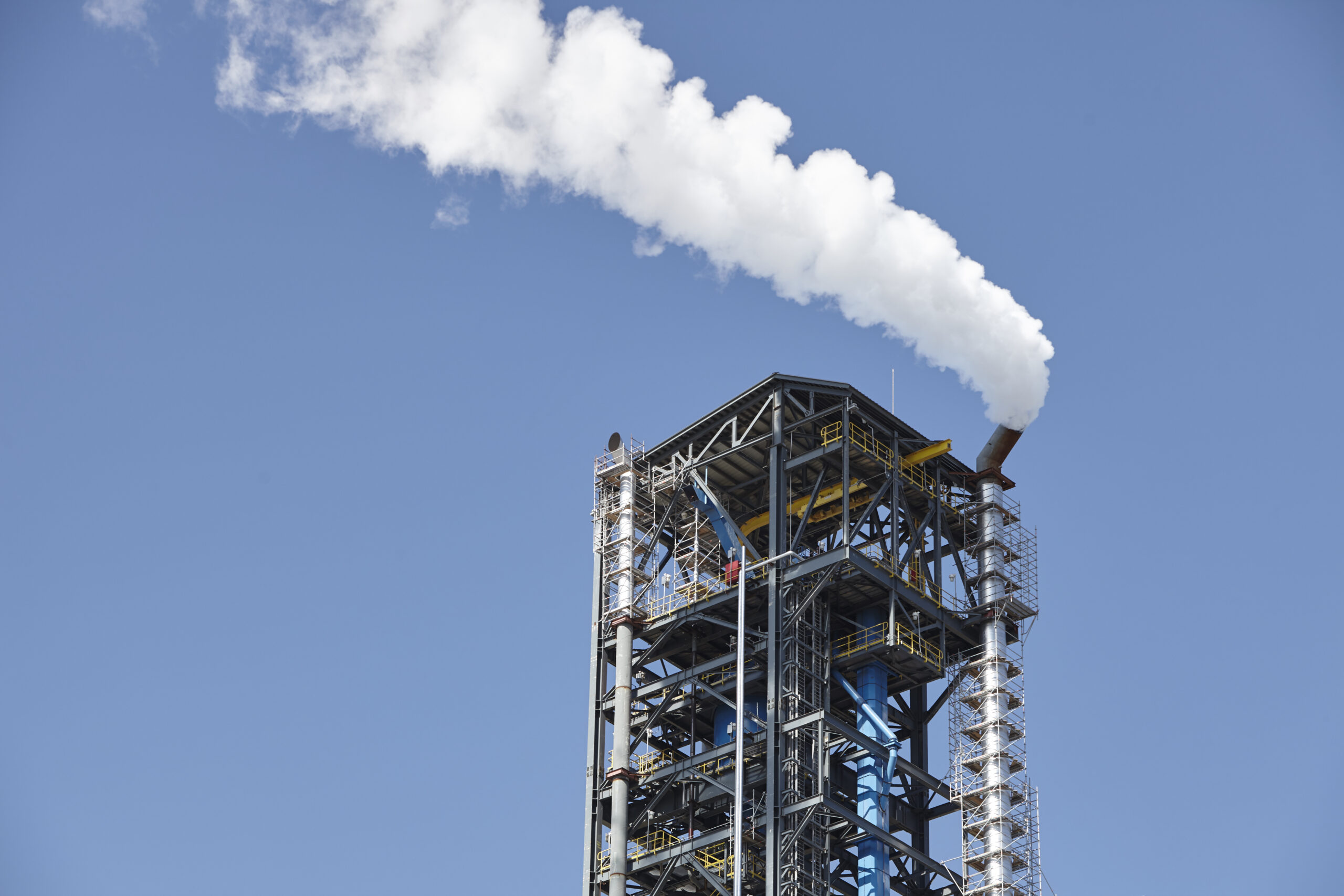
Ironmaking accounts for the bulk of steel’s carbon footprint. Blast furnaces (BFs) and direct reduction plants operate continuously and rely on stable energy inputs.
They are also built to deliver reliable output over a long lifespan. Changing the ironmaking process is not simply a case of using different equipment. It requires coordinated changes across feedstock supply, energy systems, logistics and plant operation.
Consequently, the steel decarbonization process differs significantly from sectors where assets are smaller, more modular or easier to replace. Progress is dependent on what can be changed safely and economically within existing industrial systems.
Constraints that may limit progress
The challenges of steel decarbonization look different from one region to the next. The limits are often practical rather than technical.
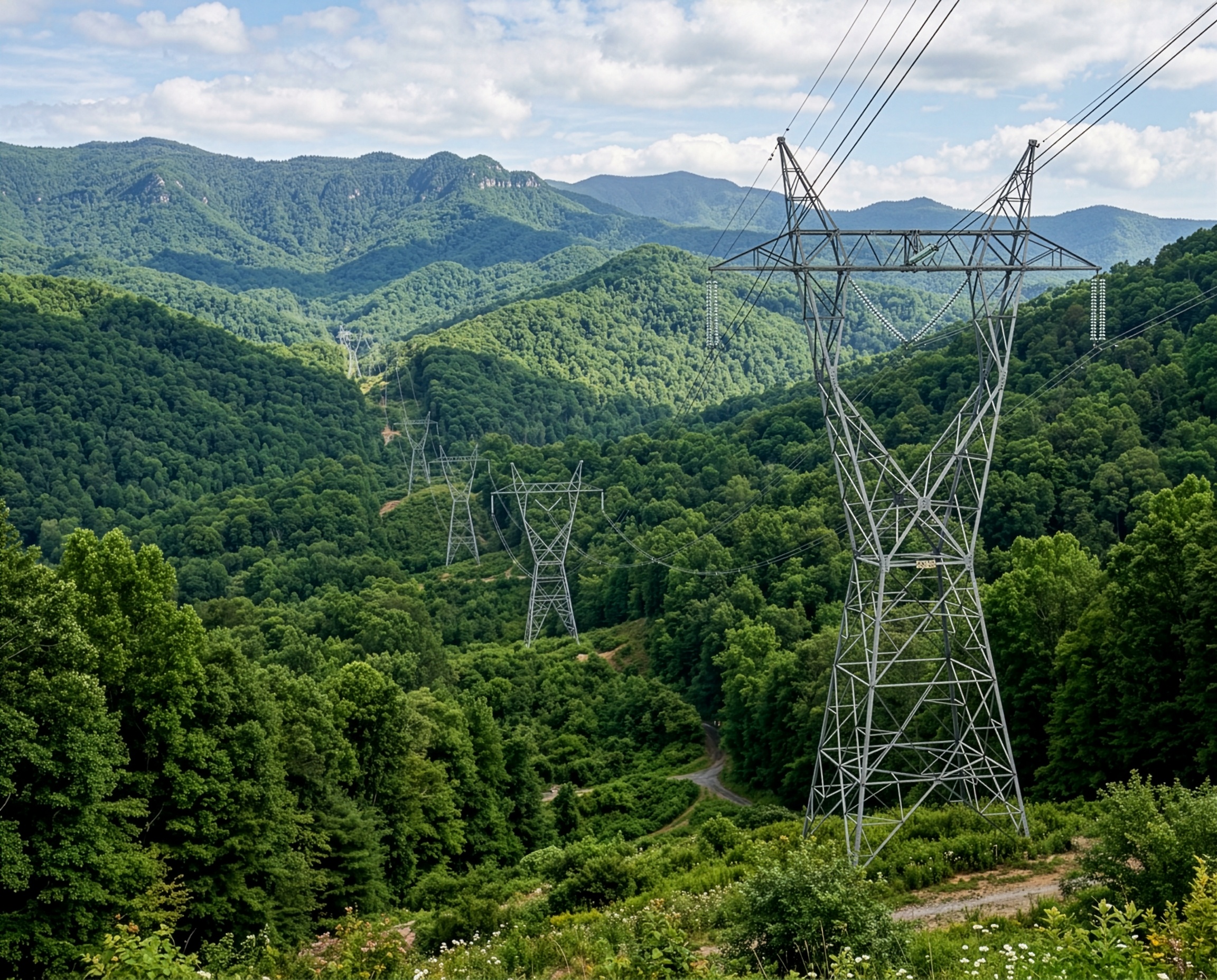
Energy supply is usually the first constraint. Large-scale iron production depends on continuous, high-quality power. In many parts of the world, low-carbon electricity and hydrogen systems are not yet built out at the scale or reliability required. Where that is the case, full decarbonization falls outside the steelmaker's direct control.
Hydrogen availability varies widely. Some regions are moving ahead; others are not. Cost, transport and near-term supply all affect whether hydrogen-based steelmaking can be introduced and how quickly it can be expanded.
Capital requirements add another constraint. Ironmaking plants are long-life assets. Any change to the process has to work within existing financing structures and accepted operating risk over the life of the plant.
These limits do not stop progress. They shape where it starts and how fast it can move.
A gradual path, not a simple switch
Steel decarbonization does not constitute a straight switch from high emissions to zero emissions.
In practice, the process involves staged transitions that depend on local energy systems, infrastructure readiness, and the timing of investment.
The MIDREX™ Process provides a framework that supports this gradual approach. Direct reduction allows significant reduction in emissions now compared with traditional blast furnace routes, while also enabling plants to adapt as energy inputs evolve. Existing operations can take incremental steps, rather than waiting for all the required conditions to be in place.
Policy ambition and investment reality
Policy frameworks and ESG expectations increasingly influence how steel projects are evaluated and financed. However, plant decisions must still be based on operating economics and long-term performance.
A phased decarbonization pathway helps bridge this gap. Through staged technology adoption and energy transition, producers can react to potential new policies without committing prematurely to large-scale measures that are not yet reliable or affordable. Investment decisions can be made that facilitate measurable progress, rather than deferred until full system transformation is feasible.
This flexibility allows steel producers to reduce emissions earlier, manage risk, and preserve optionality as hydrogen supply and the supporting infrastructure expand over time.

Limitations and boundaries
No single technology or pathway addresses every aspect of steel’s carbon footprint. The pace of decarbonization ultimately depends on factors beyond the plant itself, such as energy infrastructure development, regional policy frameworks and upstream supply chains.
Carbon capture and other complementary approaches may play a role in specific contexts, but their effectiveness depends on local conditions and system integration. These elements sit alongside, rather than replace, core ironmaking decisions.
It is essential to understand these limitations to then set realistic expectations and make lasting progress.
Direct from Midrex
Explore the latest insights, news and updates. Your go-to source for industry trends, technology advancements and more.